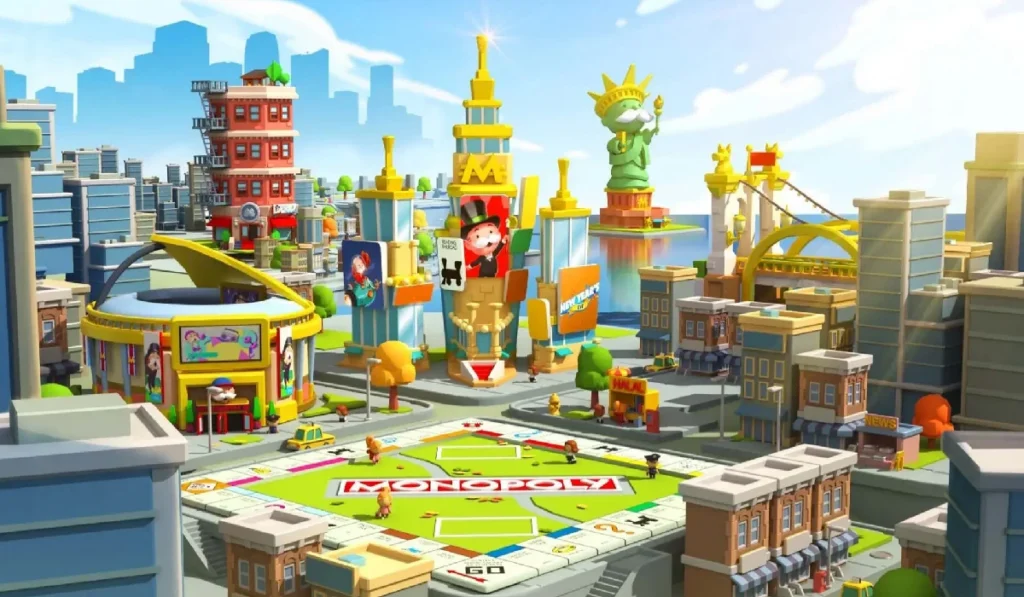
Mobile gaming has evolved into a sophisticated field of behavioral design. Titles that appear simple on the surface often rely on carefully structured engagement loops to maintain daily activity. Monopoly Go is a strong example of how classic board game branding can be adapted into a modern mobile retention model.
Unlike traditional console games that emphasize long uninterrupted sessions, Monopoly Go is structured around short bursts of activity. Players log in, complete dice rolls, claim rewards and progress through event milestones. The design aligns closely with mobile usage patterns where users interact with apps in brief intervals throughout the day.
One of the key elements driving engagement is the reward cycle.
Monopoly Go leverages timed bonuses, daily challenges and collectible sticker albums to encourage consistent participation. These mechanics tap into psychological triggers related to completion and anticipation. The presence of limited time events creates urgency without requiring extended play sessions.
The sticker album system in particular illustrates how collection based mechanics influence retention. Each album set requires multiple unique items, encouraging trading and repeated gameplay to complete collections.
Key design principles behind this system include
- Visible progress tracking to reinforce motivation
- Scarcity mechanics to increase perceived value
- Social exchange features that encourage interaction
- Time limited milestones that create structured urgency
The social layer plays an important role in sustaining activity. Players connect through friend lists, trade stickers and compete in leaderboard events. The integration of cooperative and competitive elements increases engagement diversity.
Mobile monetization is carefully integrated within this framework.